


Winterizing your boat in the Pacific Northwest
If you are like me, you are probably living with the delusion that winter isn’t here yet. I’m going to continue to hold onto that hope and whenever we have a sunny, blue bird day I’m going to put on my warm weather gear and pretend like I’m in the Sea of Cortez.
After all, every season has an adventure. Especially for an Axopar!
Regardless of the reality you choose to live in, freezing weather is inevitable. In my humble opinion, it's best to get way ahead of all of this. That way you’re not scrambling to the hardware store and trying to get to the harbor in a foot of unplowed snow when it's necessary.
Please find our suggestions below to help you sleep better or, at the very least, not wake up with a headache.
Keeping Boat in the Water - If you are keeping your boat in the water… good for you, I am as well! There are a couple extra steps we need to follow to ensure our boats stay in good health.
1. After every use and freshwater flush blow out your engines. You can do this by starting the engines while they are out of the water and then turning them back off immediately. The preferred method would be to use an air compressor on the flush valve until you hear air escaping. This way you won’t have any water in the coolant tubes around the engine block and won’t risk any freeze damage.
2. Let your outboards warm up. Similar to your car, engine oil needs time to heat and move around like it's designed to. Give it time. As soon as you get to the dock start your engines and then start working on getting the boat ready to leave. By the time you get everything else ready your engines will be ready too.
3. Put a window scraper on your boat. Visibility is still key and clearing off any snow or ice will help with any melt and refreeze damage to your canvas!
Engine Upper and Lower Unit Fluid Change - If you’ve had a good season and used your boat a ton, it's time to change your engine fluids. If you’ve not been on your boat at all this summer it's time to change your engine fluids. Oil has a shelf life and will start to congeal regardless if it's used or not. You want to get new lubricate in there so that during the winter months your old oil isn’t sludge in the spring.
Clean - Clean your bilges, clean your seats, clean your lockers, clean... everything. In order for mold or mildew to grow and spread it requires three things; the right temperature, organic material and high humidity. Typically Clorox wipes are great for this but we are in interesting times you would be hard pressed to find any at Costco right now. Other products like OdorBan will work great. Anything that kills most anything it comes in contact with will work as well. Just wear your mask for this and… in general.
Freshwater Systems and Tanks - These will freeze too! Be sure to replace your water with marine antifreeze. I repeat marine antifreeze not the stuff you put in a closed system like your car. The marine variety is eco friendly and you can flush through your throughhull without a problem. The other variety will kill the two new south sound baby orcas born this year. Follow the instructions on whichever product you buy but the general practice is to flush through from the farthest sink / shower until you see the coolant and then move closer to the freshwater tank one outlet at a time.
Batteries - Keep them on a charge! If you are in storage for the winter and don’t have dock power get them on a trickle charger through a traditional 110V outlet. Your batteries don’t like to sit dead. It will shorten their amp hours drastically if permanent damage is done. If the storage facility is without power take them home and charge them in your garage.
Dehumidifier and Heaters - Put heaters and/or a dehumidifier on your boat. Many times for a smaller space a simple Caframo Warm Air Circulator will work. For dehumidifiers, you’ll want a way to drain constantly either into a bilge or sink connected to a through hull. By keeping the space warm and dehumidified you reduce the risk of both freeze damage and a foul smell developing.
Regardless of where your boat or you will be for the winter it's important to take care of both of you. As always please reach out if you have any questions and be well. Hope to talk or see you soon!
By Benjamin Oaksmith
Other Featured Articles
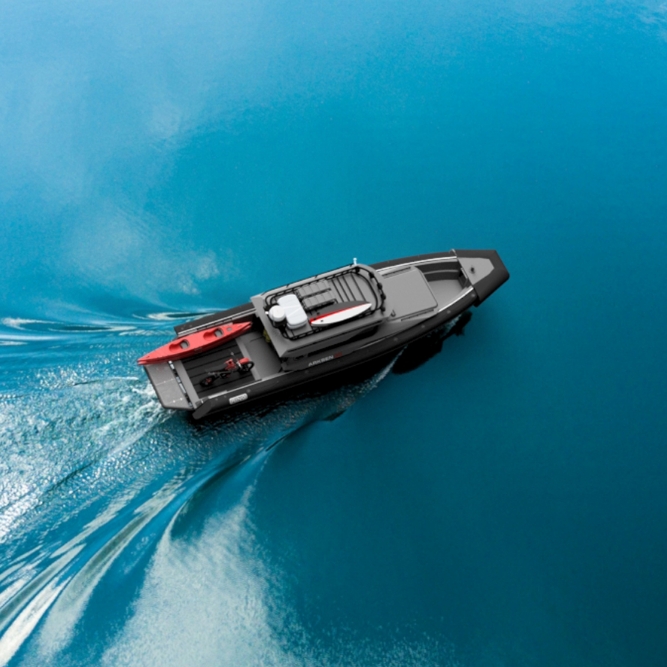
Arksen is Off to a flying start in 2023
May 28, 2019
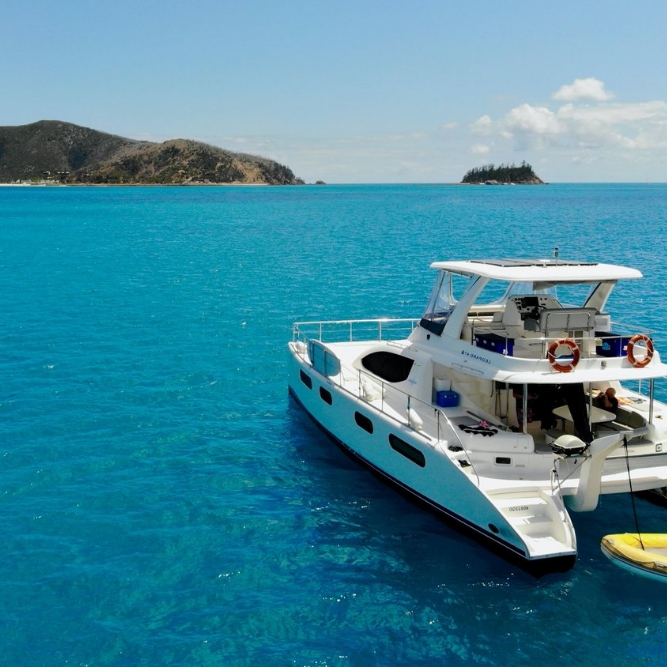
Getting your boat ready for spring
May 28, 2019
Driven by purpose
An important part of our vision is to ensure we are inspiring the next generation of explorer, scientist, and conservationist, and that’s why at Arksen, we support projects which empower people to better understand, protect and nurture the world’s oceans. Working together with our partners, we formed Yachts for Science; a project which brings together yacht owners, and marine scientists with the aim of providing easier access to oceans for vital research. You can learn more about the other pillars of Arksen Philanthropy.
How can we help you?
We would be thrilled to chat with you, learn more about your story and see if it makes sense for us to help you get on the water more often.
Please reach out.
- ben@oaksmithyachts.com
- 206.949.2270